
· Journal
Karu Shilpo, Restored
by Zasif Bin Islam · Dec 18, 2025
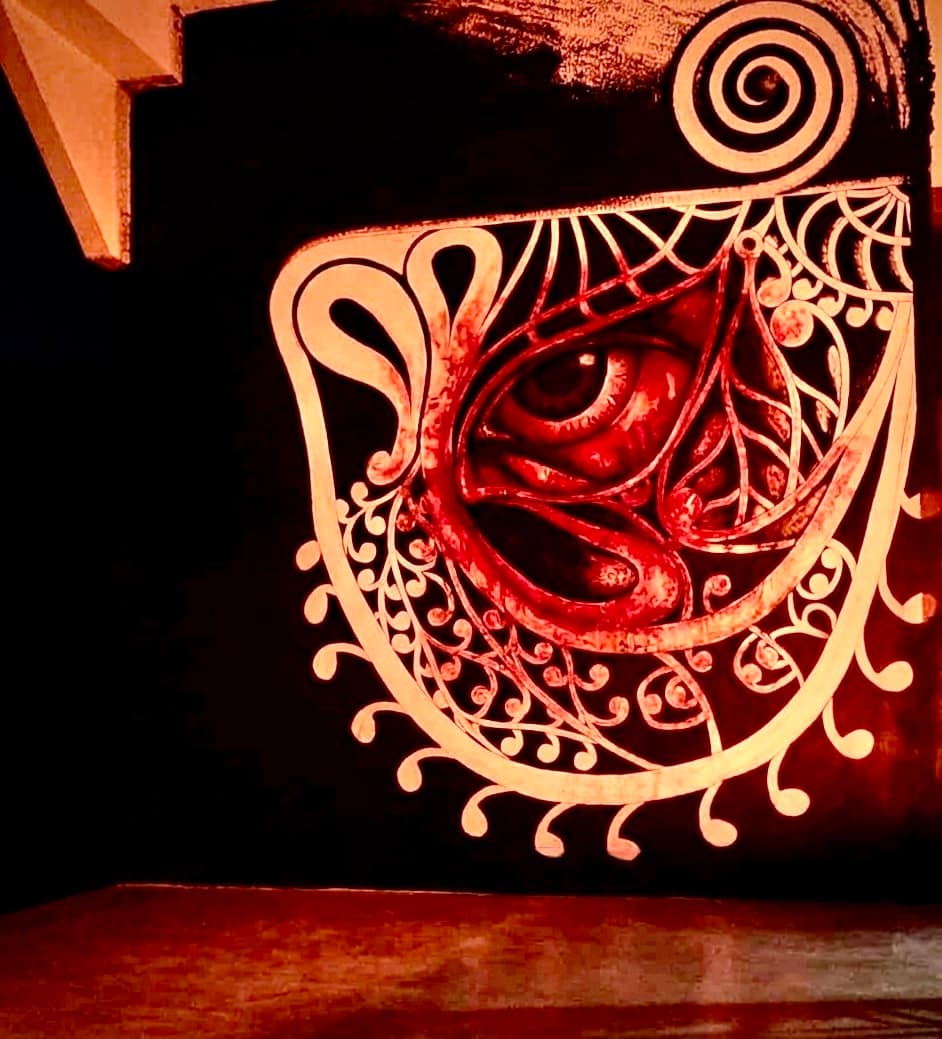
There's a habit, born in the colonial period and never quite shaken off, of separating "fine art" from "craft." In Bengal this distinction was always artificial. The nakshi kantha quilt-makers of greater Mymensingh, the alpana floor-painters at Pohela Boishakh, the terracotta sculptors of Dhamrai — their work was never less considered than what hung in galleries, only differently displayed.
This conversation has been re-opening lately. Several of the artists on Akivuki work in or out of folk traditions deliberately. Kanak Chanpa Chakma's compositions carry the geometry of traditional Chakma weaving. Farida Zaman's brushwork rhymes with the embroidery she watched her grandmother stitch as a child. The studio is the studio is the studio.
When we list a work, we say what it is and how it was made — oil on canvas, mixed media on board, embroidered cotton on hand-thrown ceramic. The hierarchy that put one above the other is, we think, ready to retire.
If you're a collector new to this, start by asking what the maker's hand actually did. The question is the same whether the medium is acrylic or appliqué.